
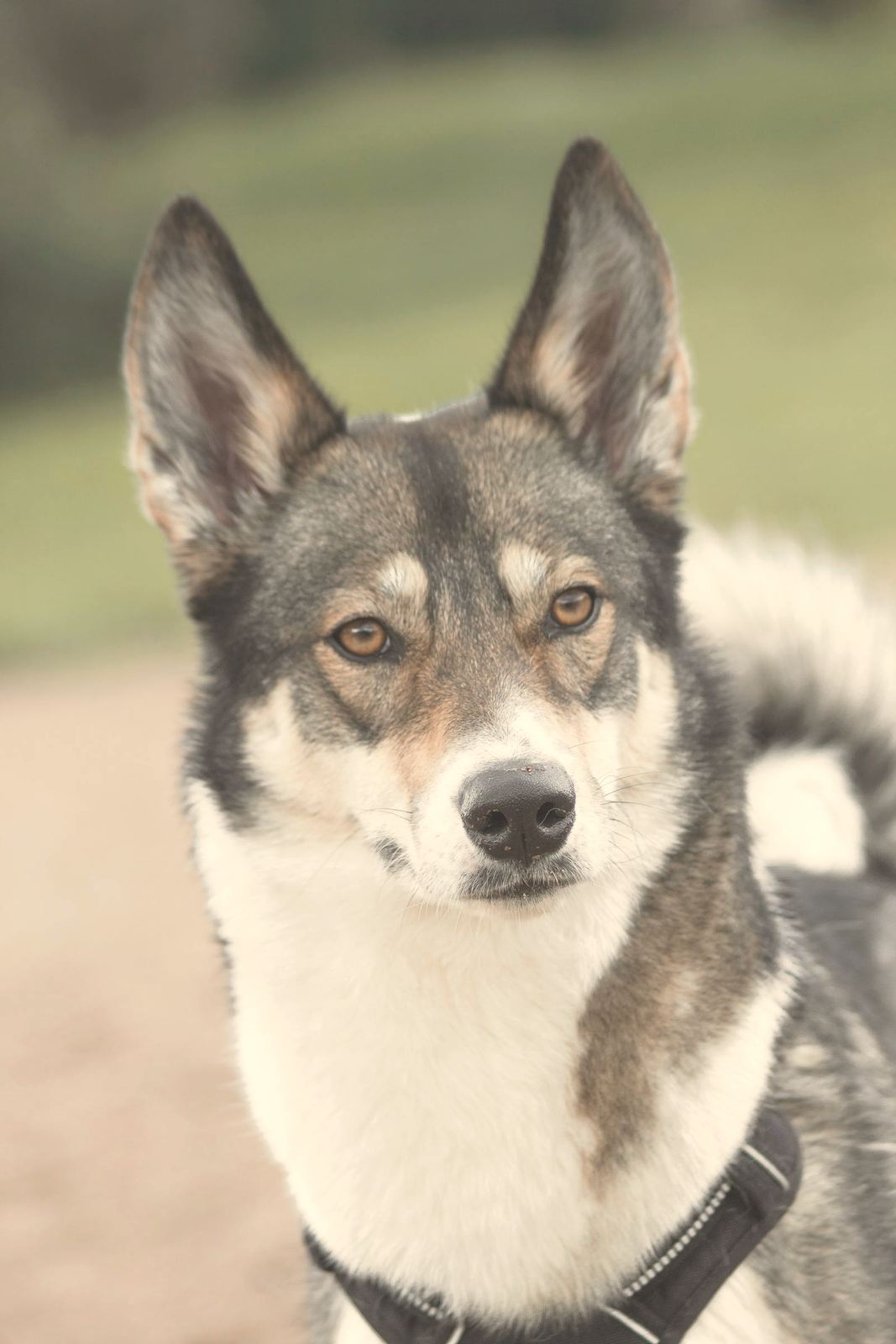
You stop leash reactivity by bringing the dog's baseline arousal down across the week, then teaching them to de-escalate, not by correcting the lunge on the walk. A dog who reacts to other dogs, people, bikes or cars on lead is not being defiant. They are over the line their nervous system can hold, and the trigger is what tips them. Corrections and treats both miss this, because the problem is the baseline, not the moment.
The waterline is the level of arousal a dog lives at when nothing is happening. Some dogs live at high tide and react to everything. The work is bringing that baseline down with a balanced week, then teaching the dog to de-escalate without you doing it for them.
This is why we often pause walks past known triggers early on. A reactive dog does not yet have the regulation for a standard walk, which is a messy blend of modes with no clear boundaries. Cycles of PLAY, ANCHOR, CALM and EXPLORE substitute for walks while the dog and handler learn the modes.
On the walk itself, keep the lead loose, a tight lead carries your tension down the line and braces the dog into the lunge. Avoid triggers where you can. If one is unavoidable, put your foot on the lead so the dog is safe and cannot launch, then give nothing: no talking, no patting, no eye contact, no treats. Let the wave pass and move on.
Try this week. For seven days, do not put your dog in any situation you know will set them off. No walk past the reactive house, no cafe they cannot settle at. You are not avoiding training. You are letting the waterline drop. Replace those moments with rest and fifteen minutes of focused play with you.
Part of the full guide: How to calm a reactive dog
New puppy? The Good Puppy Blueprint is the online program for puppies under twelve weeks. For a dog over twelve weeks, private training works it through one-on-one.